
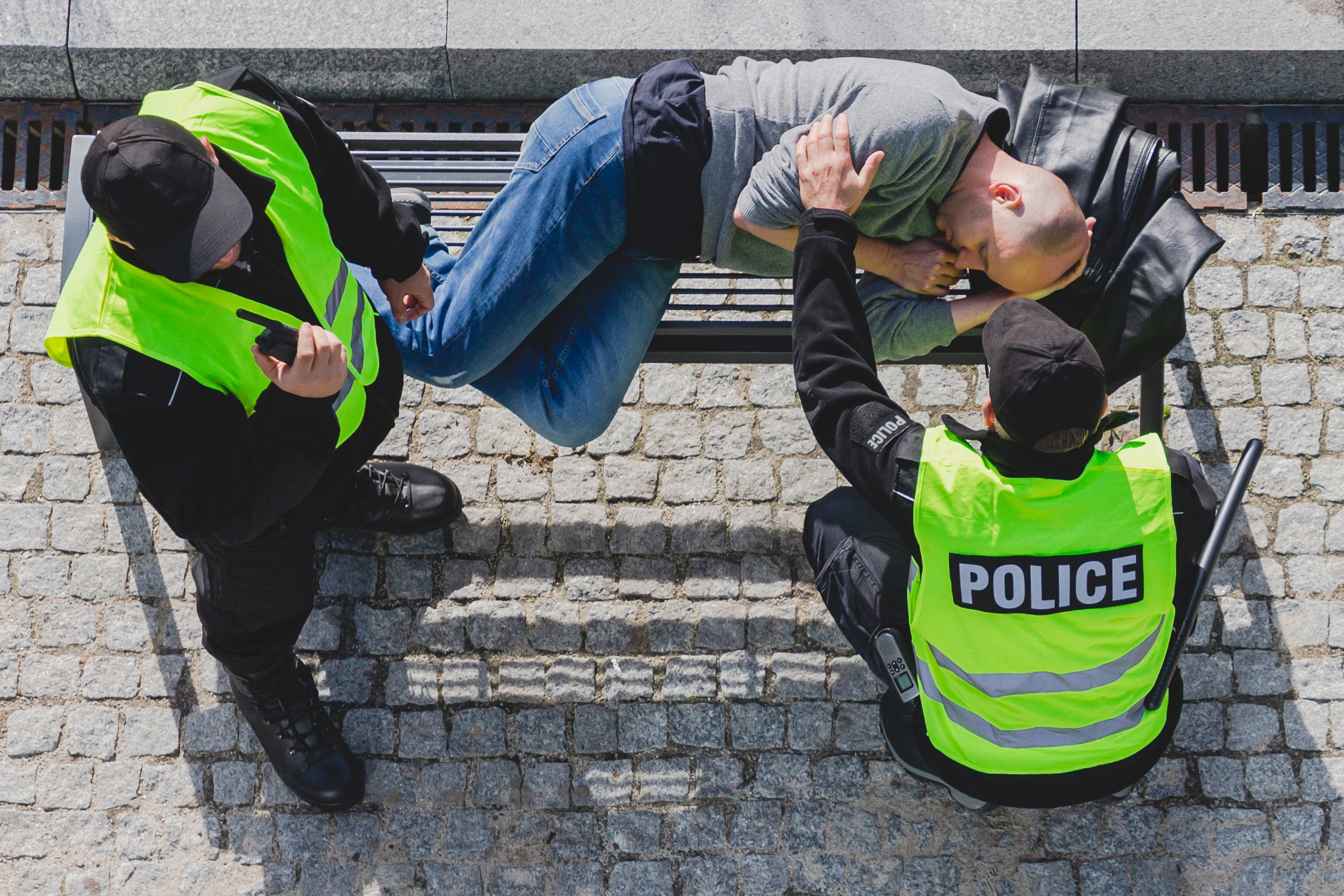

Police-mental health co-response versus police-as-usual response to behavioral health emergencies

Police-mental health co-response teams are gaining attention as an alternative approach to behavioral health emergencies. Researchers from the Indiana University Paul H. O'Neill School of Public and Environmental Affairs, George Mason University, the University of San Diego School of Medicine, and RTI International partnered with community agencies in Indianapolis to conduct a first-of-its-kind study comparing co-response teams with traditional police-only responses.

While the study found no statistically significant differences between the two approaches, it offers important insights into the complexities of crisis response and the role of collaboration among healthcare, emergency services, and law enforcement. This brief highlights the study's findings, lessons learned, and implications for future behavioral health crisis response efforts.

Key findings

  • Communities need specialized crisis responses, not reliance on the criminal justice system, to address gaps in mental health care. 
  • Alternative policing programs vary widely in design and delivery, requiring evidence-based planning and clear outcome strategies. 

  • Setting realistic long-term goals and measurable short-term indicators is critical for program success. 

  • Strong researcher-practitioner partnerships enable rigorous evaluation and guide future improvements. 

  • Integrated training, coordinated services, and robust infrastructure are essential for lasting impact. 

  • Programs linked to appropriate community and healthcare resources reduce unnecessary arrests and ensure timely help. 

  • Collaboration among healthcare, emergency services, and justice systems improves program effectiveness.